
 Ryan Zhang's Blog

Weekend holiday in Kinmen
Translation Notice
This article was originally written in Chinese and translated into English with the assistance of AI. The translation has been reviewed and edited for clarity, accuracy, and readability. Please refer to the original source where necessary, especially for technical terms, commands, configuration details, and proper nouns.
I had wanted to visit Kinmen for a long time. I obtained the required permit and endorsement early in the year, but projects kept me busy and I postponed the trip until the endorsement expired.
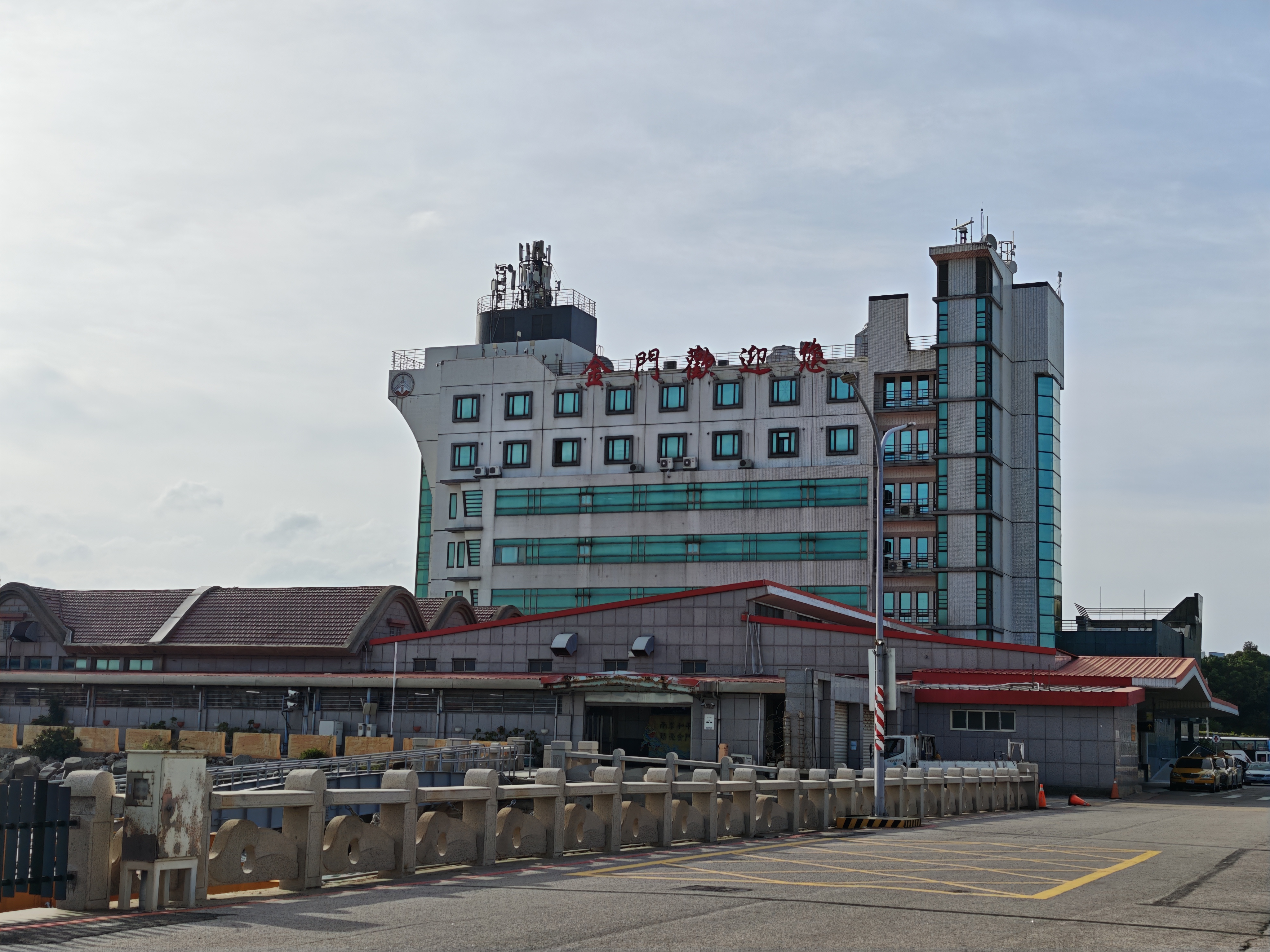
One day in September, I made a spur-of-the-moment trip to Wutong Port and renewed it. Kinmen is only a 20-minute ferry ride from Xiamen—almost like a distant place across a river. I finally got a standby ticket during the National Day holiday and set off. I had planned a relaxed visit, but the moment I arrived, this solo traveler turned into a highly disciplined sightseeing machine.
Because I did not take the earliest ferry, it was already noon by the time I dropped my luggage at the guesthouse. A colleague had warned me: “For Kinmen, go as early as possible and return as late as possible.” I did book the latest ferry home, but taking the earliest one would have meant getting up and packing at three or four in the morning.
Following the guesthouse owner’s advice, I tried Kinmen beef noodles for my first meal, followed by 50 Lan milk tea and Mengjia chicken cutlet—local specialties, I suppose.
I used to rarely eat proper meals while traveling, moving from one “check-in” spot to the next like a photographer in a hurry. In Wuhan, Changsha, and Japan, I followed an assembly line of attractions. It was not until I queued for two hours for ramen in Osaka’s Dotonbori last year that I suddenly understood:
Travel should not be just about scenery; it should also be about taste, rhythm, and being part of life.
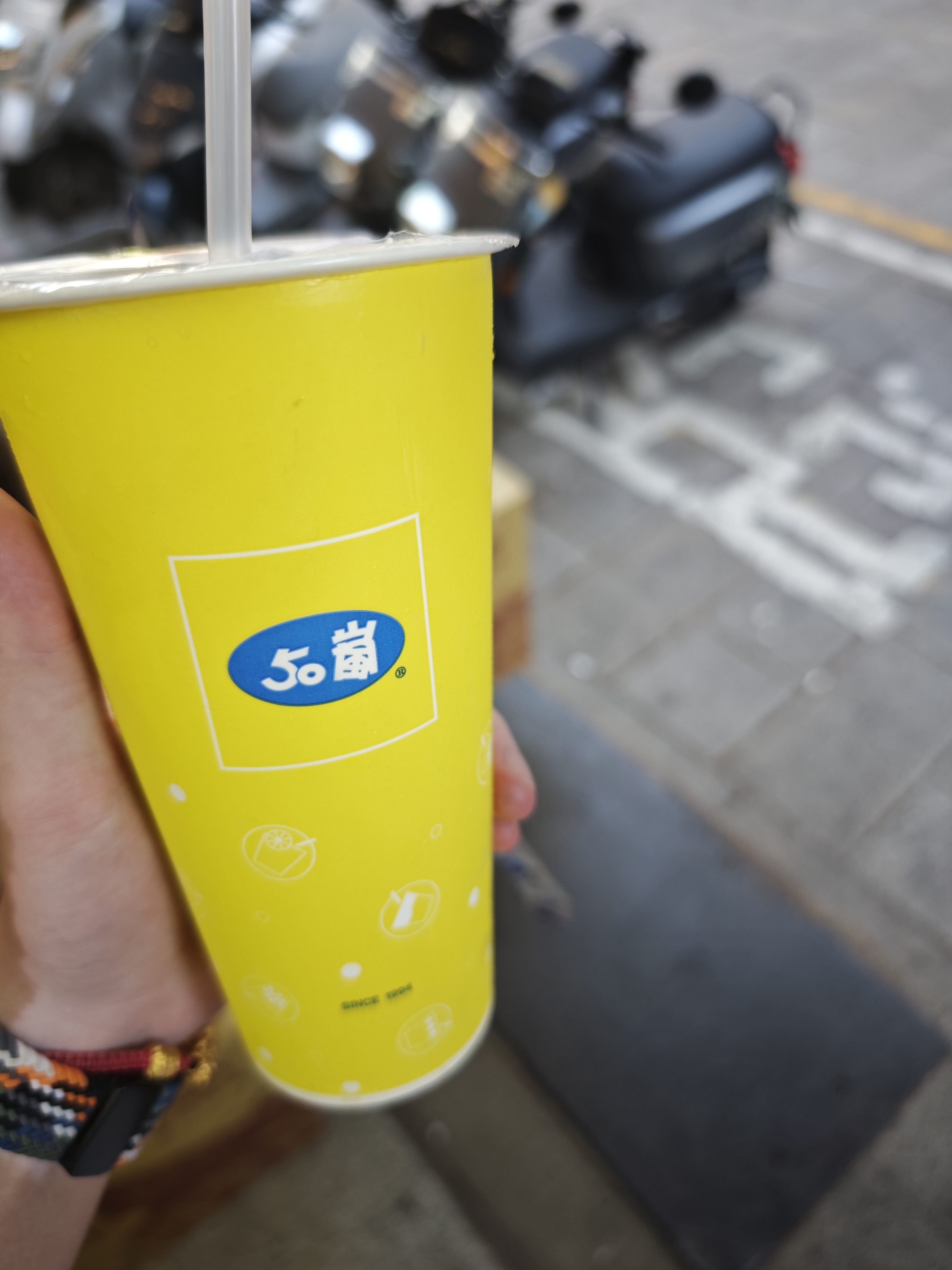
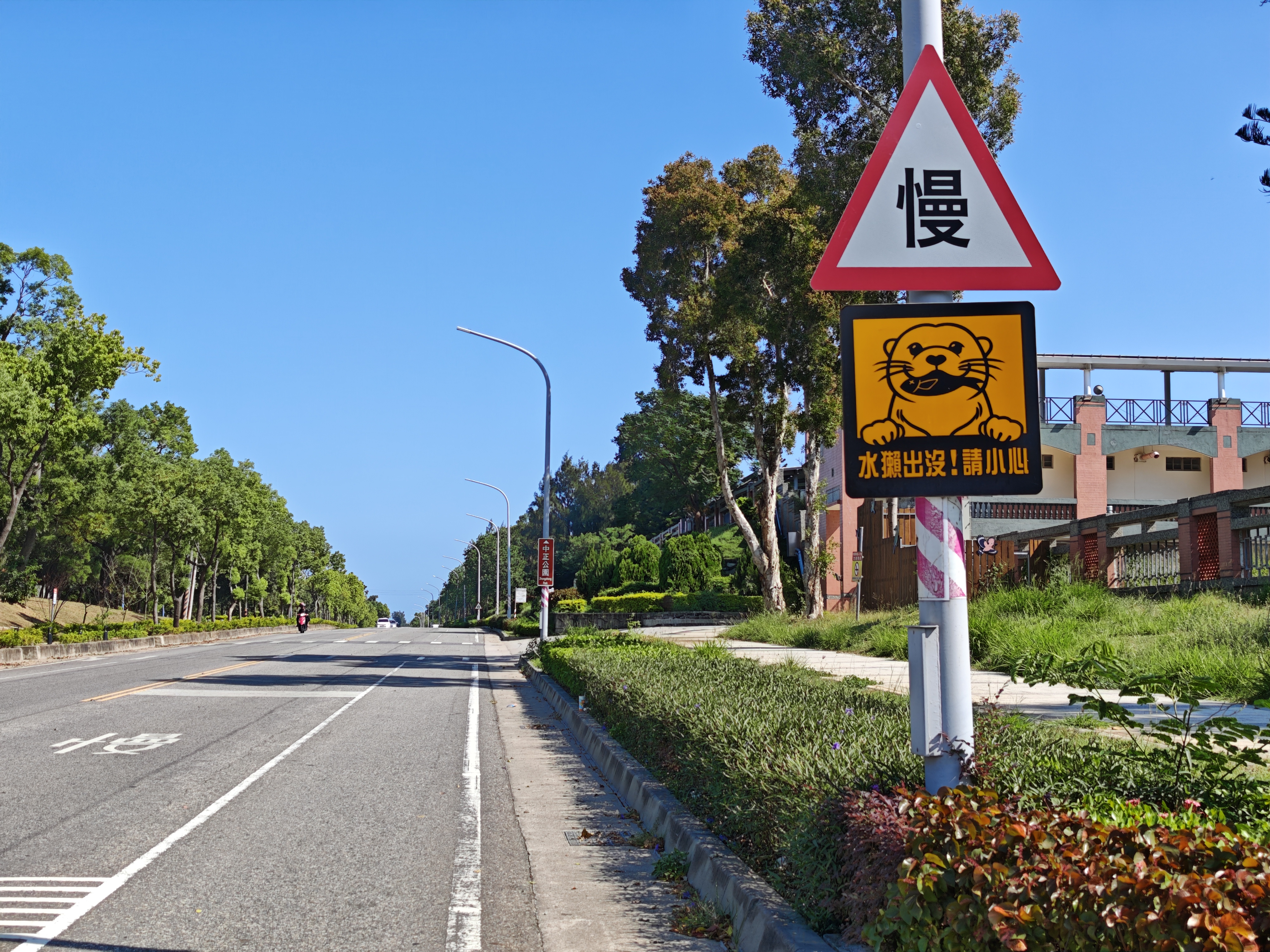
The first day was a full-speed itinerary: Chen Jinglan Mansion → Shinn Kong Place → Livestock Research Institute → Juguang Tower → Mofan Street, without stopping for breath.
After seeing a Kinmen otter plushie on Xiaohongshu, I wanted to buy one as a backpack charm for my younger sister. I visited several shops on Mofan Street that evening, but none had it in stock. That was the only small regret of the trip.
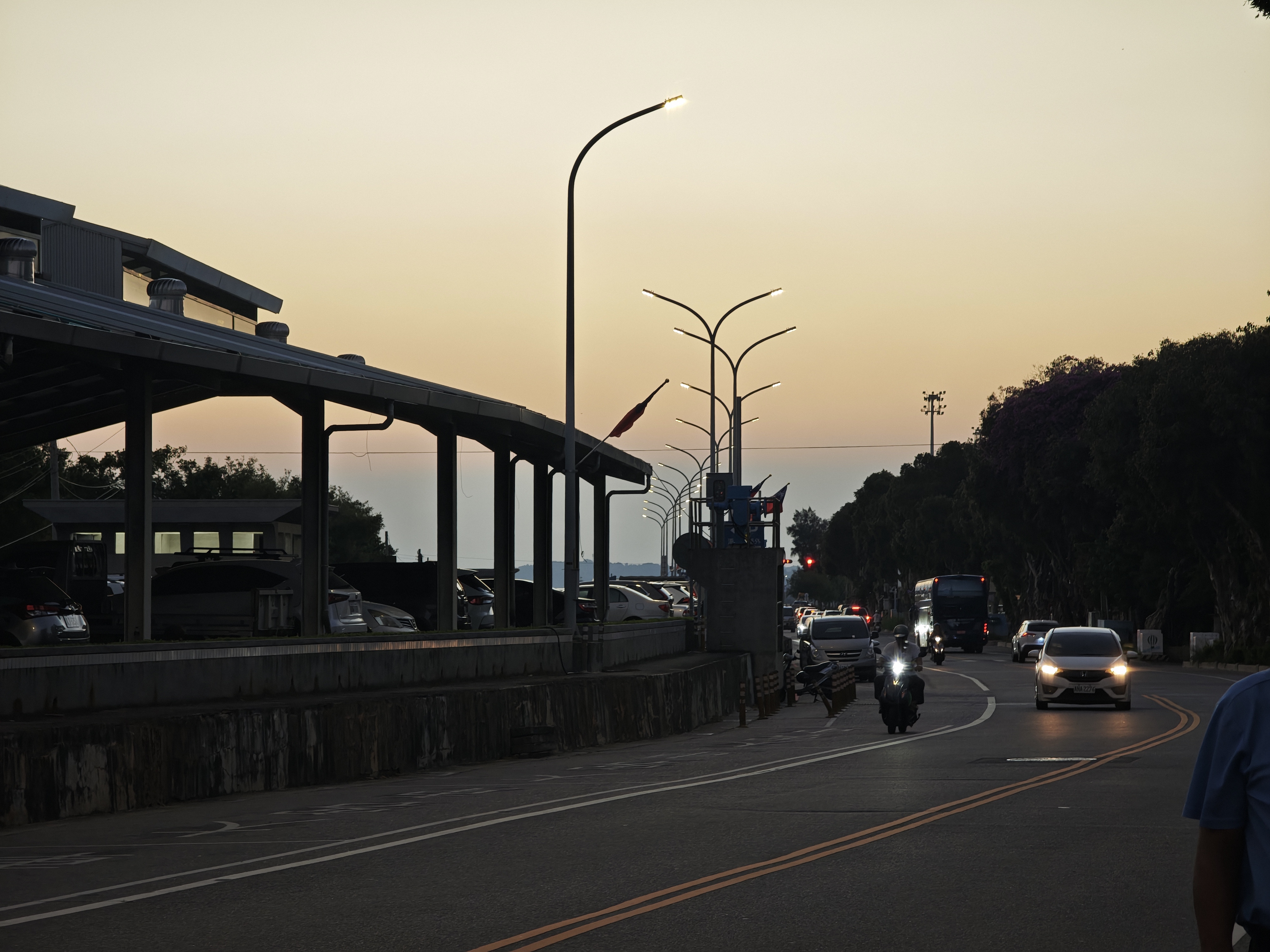
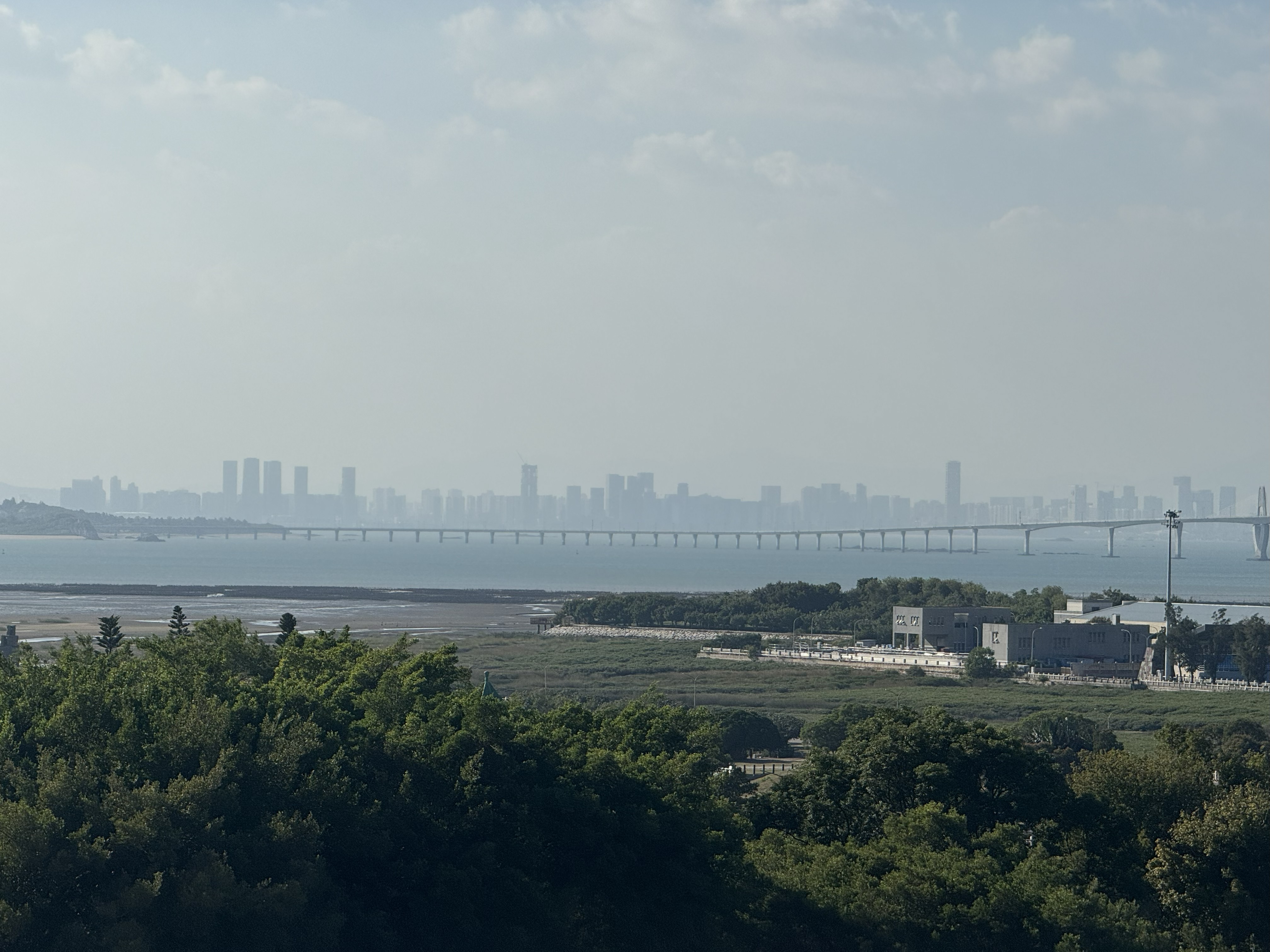
At night, Kinmen’s streets were almost empty, and the sound of wind replaced human voices. Looking up, I could see Xiamen’s Guanyin Mountain CBD brightly lit. Without contrast there is no reflection, but watching the quiet island, I thought Kinmen’s people must be happy too.
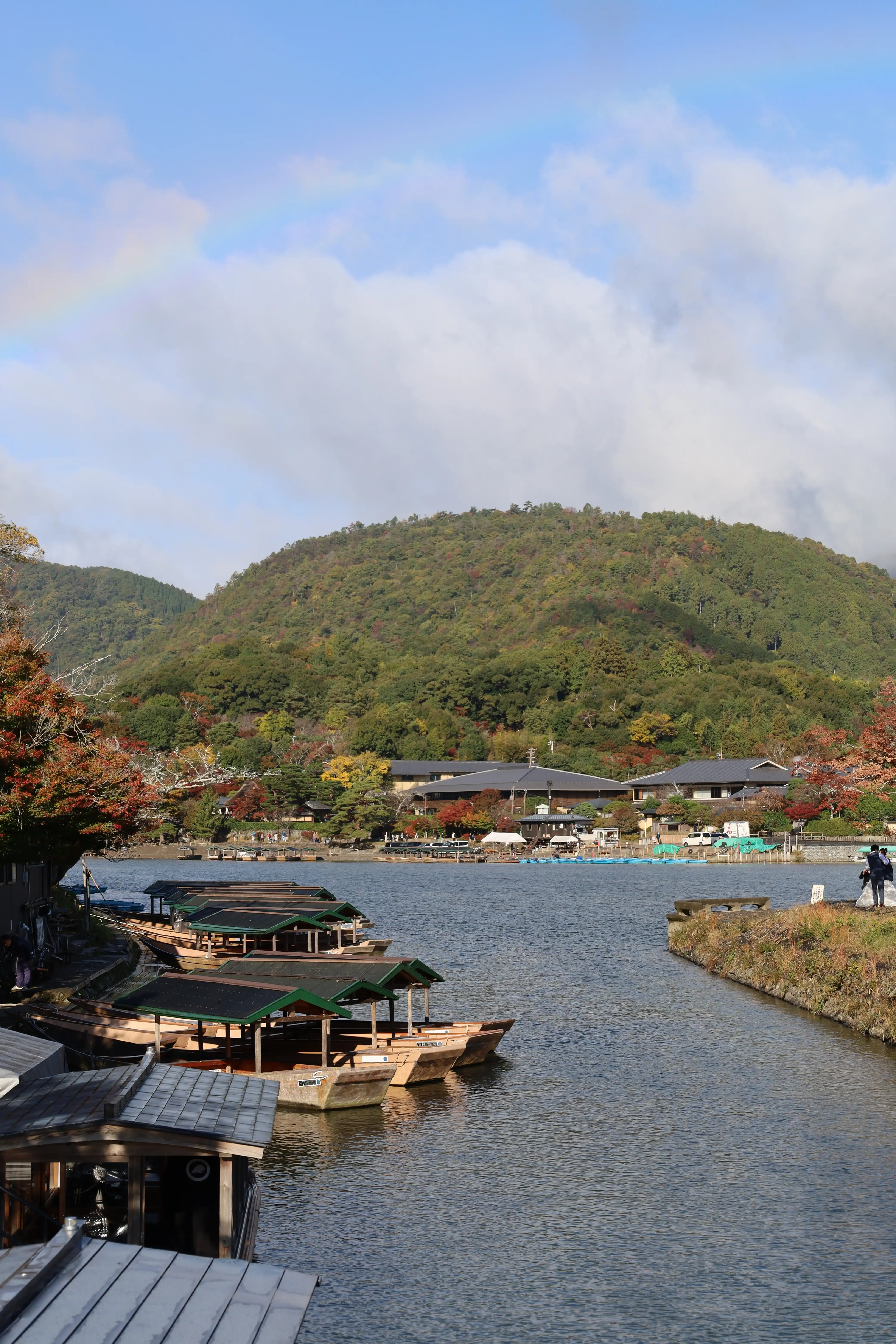
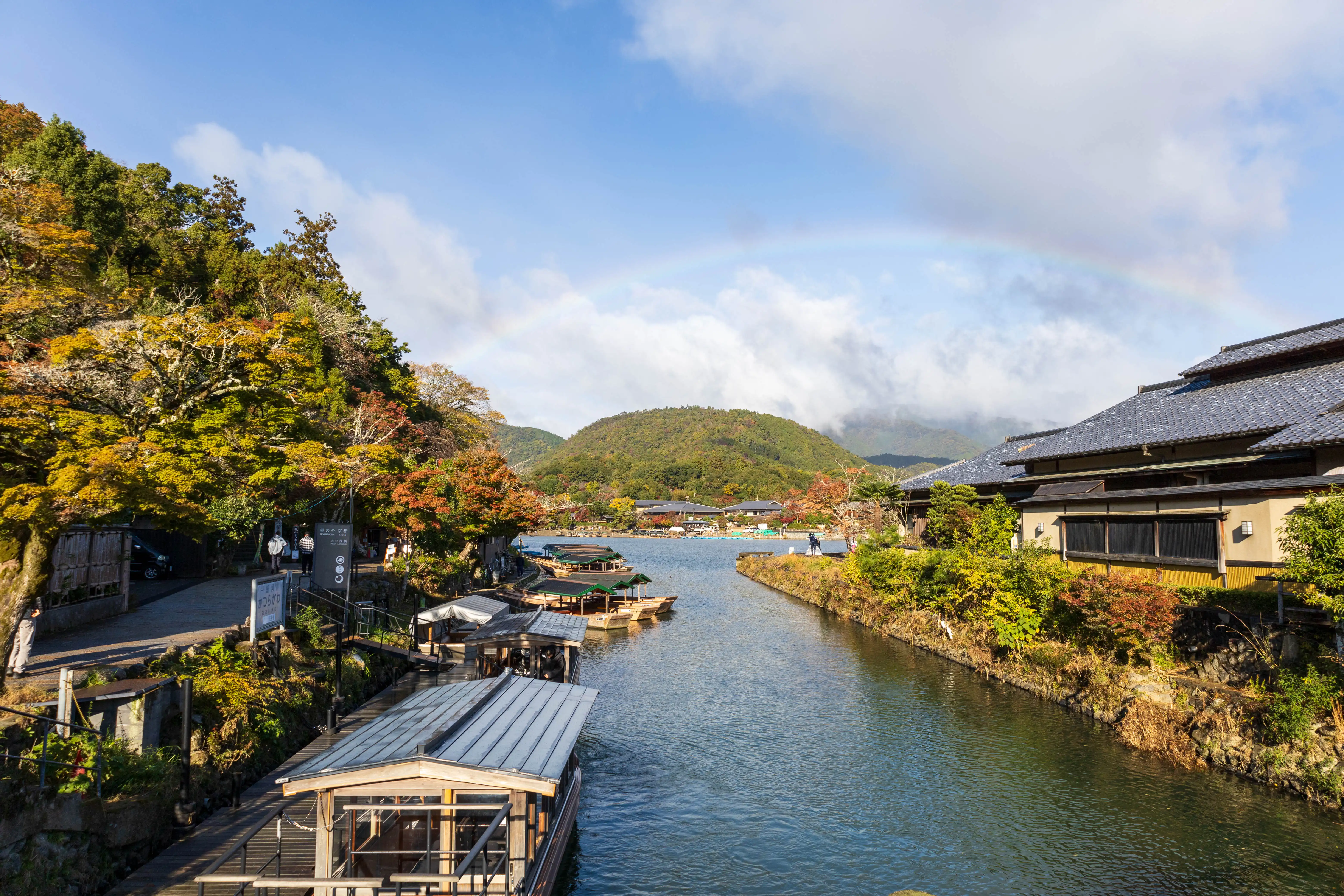
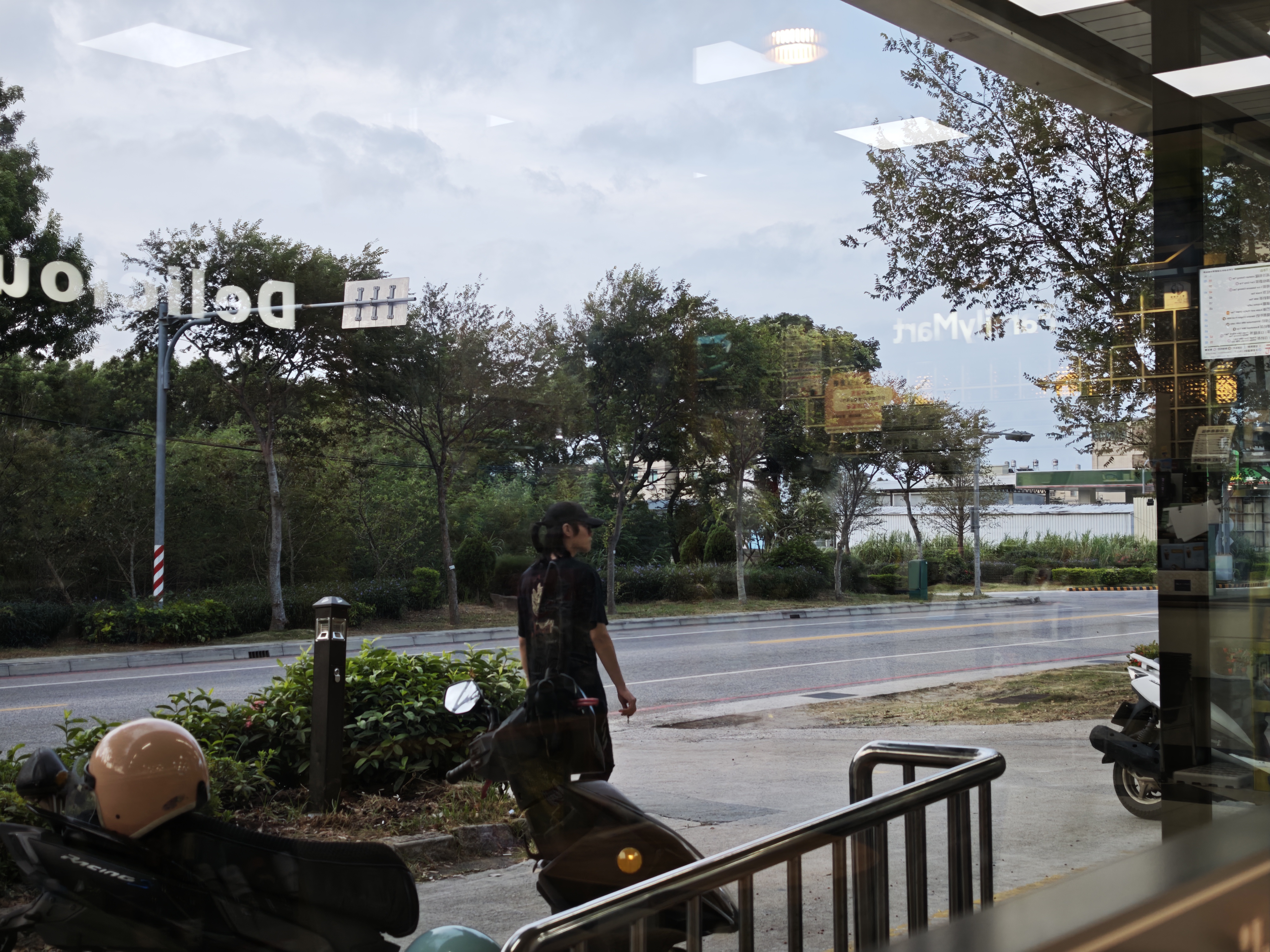
The wind was so strong that the windows rattled all night, and I barely slept. At five in the morning, I got up, rode an electric scooter to the nearest FamilyMart, bought a coffee, and sat by the window. It reminded me of watching autumn leaves at a Starbucks outside Kyoto Kaikan last fall. Perhaps this is what “clearing your mind” feels like—the moment your heart becomes quiet on a foreign morning.
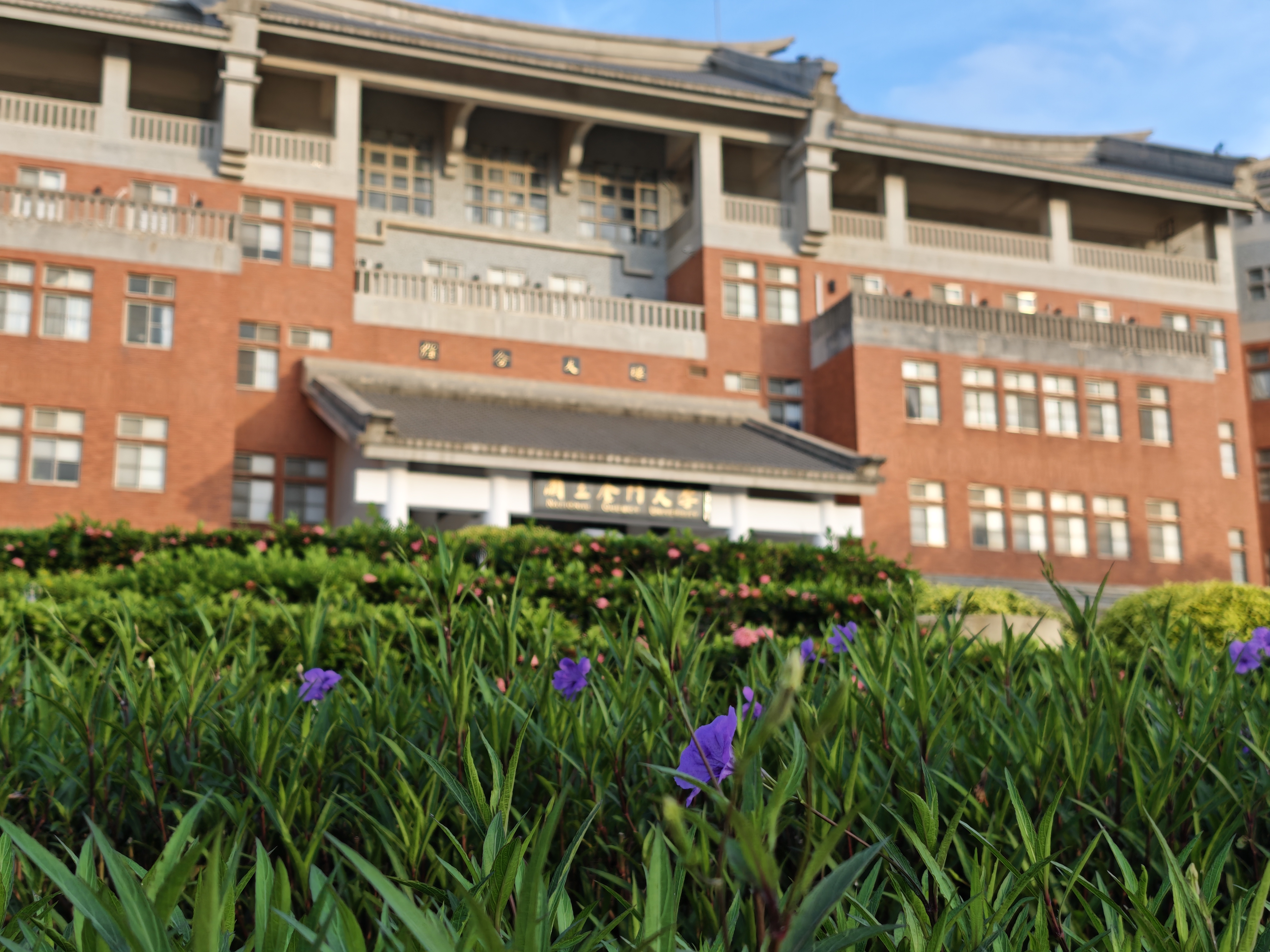
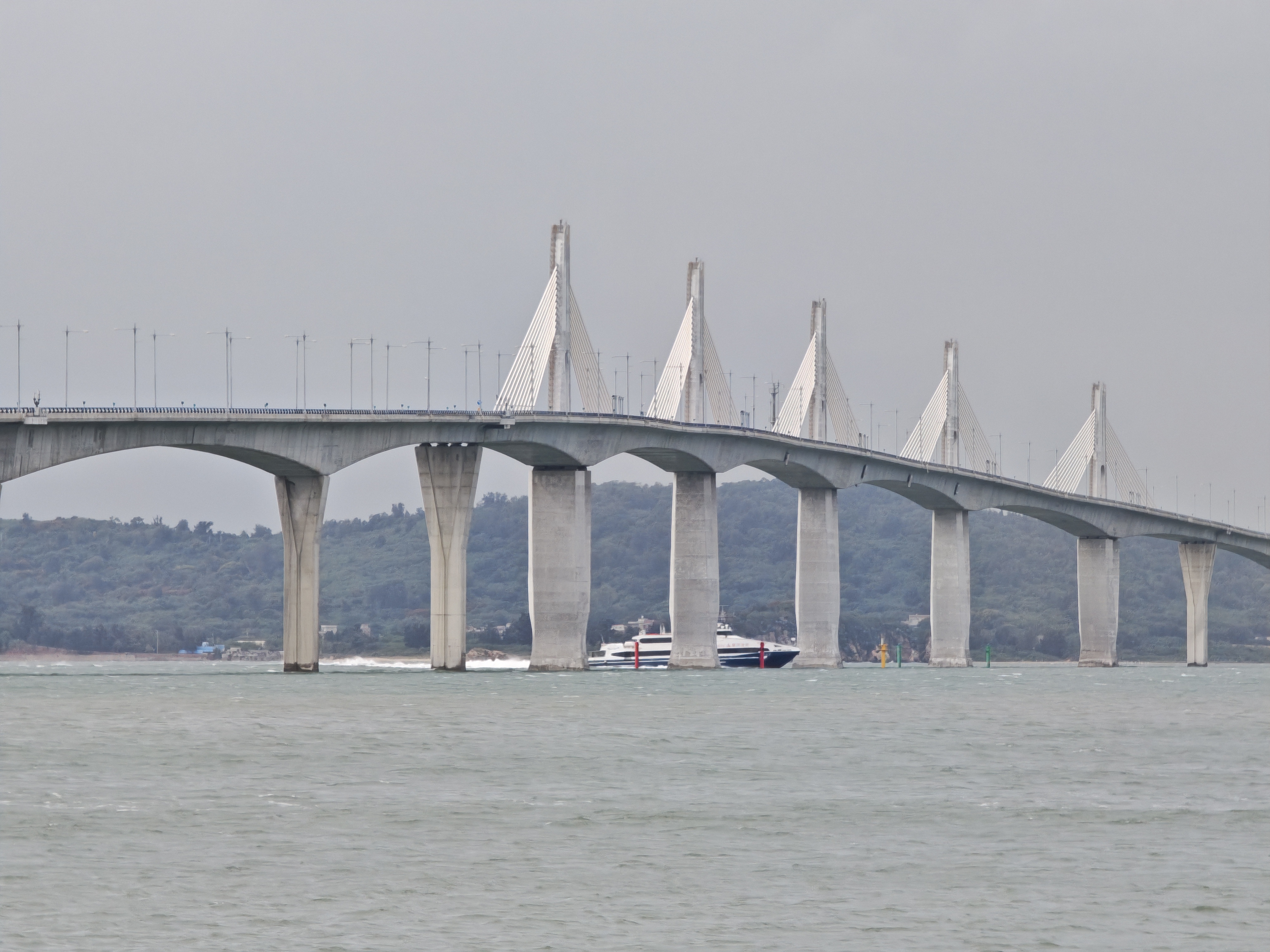
The next day I visited National Quemoy University, Shuitou Village, and Kinmen Bridge. I discovered that I have a habit: whenever I visit a city, I explore its local university. Wuhan University, Hunan University, Kyoto University… perhaps we long most for what we lack.
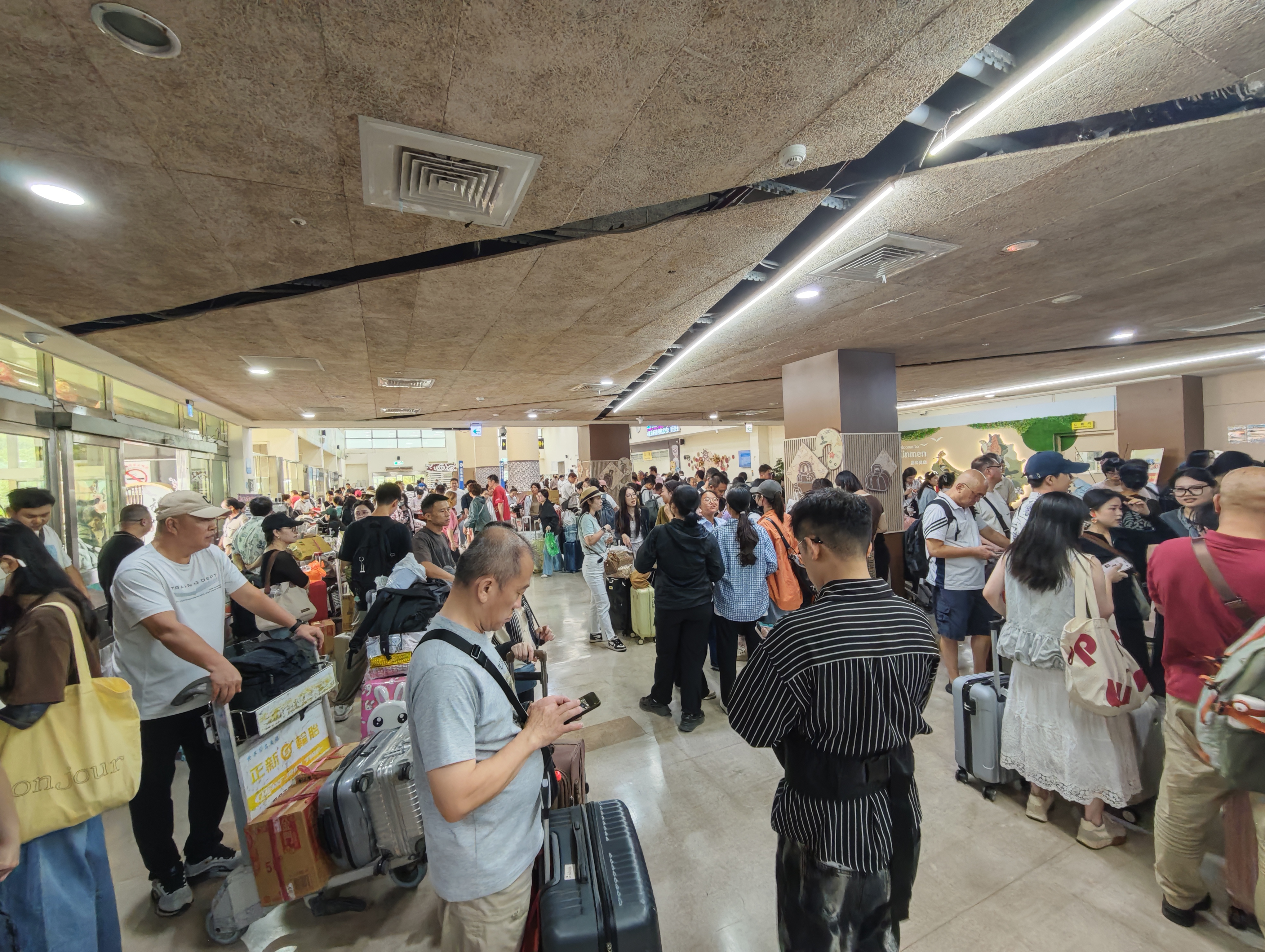
At around ten in the morning, the guesthouse owner called to say that ferry service would stop after 2<30> p.m.
I had booked the latest ferry, so I immediately returned to the pier to try my luck. When I got back to the guesthouse, the owner’s colleagues had packed up and were ready to take me to the pier, while I was still waiting for the owner to return with two bottles of his private Kinmen Kaoliang.
When the owner returned, he laughed and said, “You’re really adorable. I had already asked my colleague to take you to the pier, but you were still waiting for me to bring the liquor.”
In the end, a woman staying at the same guesthouse who was also returning to Xiamen helped me secure a standby ticket. If I had not gotten on that ferry, I might have had to stay in Kinmen for another three or four days.
The trip to Kinmen was actually two weeks ago. My procrastination was delayed, but the memories are still fresh. After working for a long time amid projects and reports, even a brief escape can be healing.
Whether rushing between attractions or embracing a slow life, the meaning of travel may be to temporarily leave our habitual routines and breathe fresh air again.
Work is necessary, but so is life.
P.S. More photos from Kinmen are available on Moments.
Support & Share
If this article helped you, please share or support!